March 10, 2025
Recover from a Long Endurance Event: 5 Essential Steps
RECOVERING FROM A LONG ENDURANCE EVENT – 5 Essential Steps:
Preparing for endurance events can take months or years, but it is also important to focus on what should happen in the immediate aftermath of these massive challenges. Paying attention to post-event recovery helps you get back to normal activities of daily life sooner, and back to your training routine more quickly.
How important is post-event recovery? Think of it like climbing Mount Everest. Reaching the summit is only half the journey—and often the easier, less dangerous part. More climbers lose their lives descending than ascending. Similarly, your endurance event isn’t over when you cross the finish line. The real finish comes when your body has fully recovered from the effort.
Here are some effective recovery techniques you can apply after your training sessions to quickly bounce back and return to your normal activities.
- Hydration / Fluid Intake
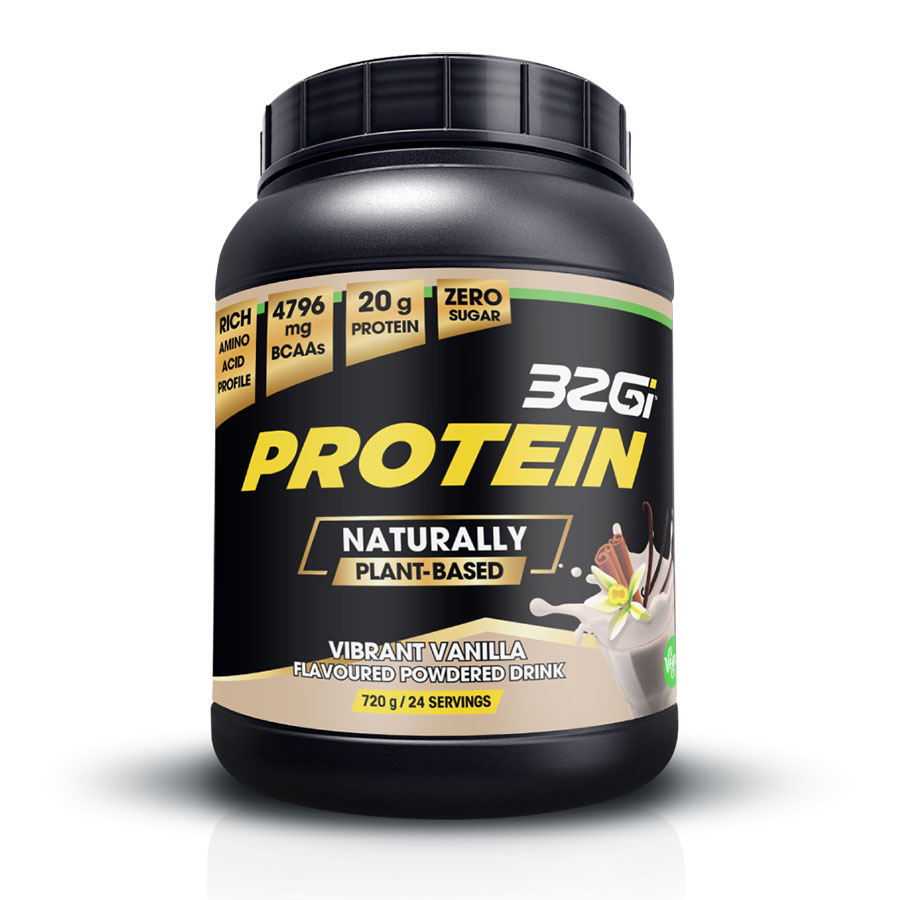
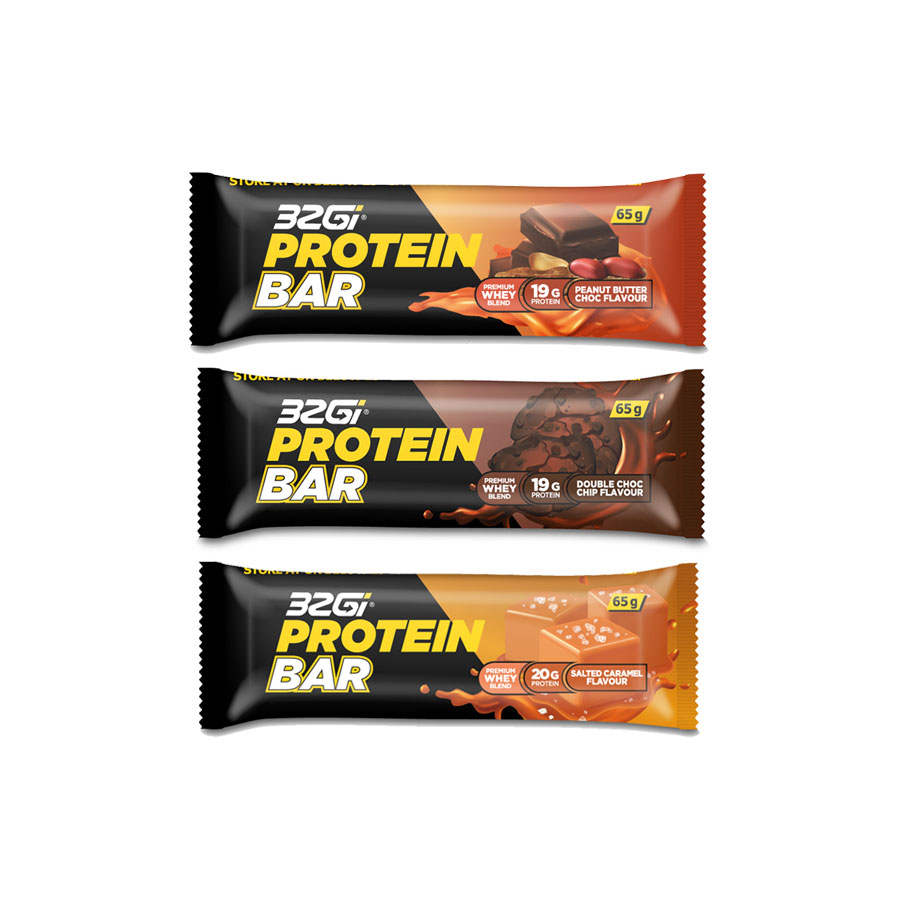
- Protein Intake for Optimal Recovery
- Restore Your Energy With Nourishing, High-Quality Nutrition
- Get More Sleep
- Boost Your Immune System
1. Prioritising Hydration Throughout the Days Before, During and After the Event
During ultraendurance events, it’s impossible to replace all the fluids you lose, meaning you’ll inevitably finish at least somewhat dehydrated. Afterward, rehydration should be your top priority, as it can take hours for your body to absorb fluids and restore optimal levels in your muscles, blood plasma, and cells.
Weighing yourself before and after a workout or event can help estimate fluid loss and assess hydration. For regular workouts or shorter events, aim to replenish 150% of the weight lost within the first 4–6 hours.
In ultraendurance events, swelling and sodium/fluid balance can make it harder to gauge hydration using body weight or urine color alone. After a one-day event, where recovery is the main focus, a gradual approach to rehydration with both food and fluids is best. However, for multi-day events, a more aggressive rehydration strategy may be necessary to prepare for the next stage.
Drink enough fluids before, during, and after exercise to maintain hydration. Avoid consuming alcohol immediately after intense sessions, as it dehydrates the body and delays recovery. Prioritise electrolyte balance, especially after long or high-intensity training sessions.
2. Protein Intake for Optimal Recovery
Muscle protein synthesis is the only way to repair damaged muscle fibers, and the key to this process is protein consumption. The amount of protein you need depends on your body weight, training intensity, goals, and age. The Recommended Daily Allowance (RDA) for protein is 0.8 grams per kilogram of protein per day. This increases to about 1.2-1.7 g per kg for athletes in medium- to high-workload training plans (based on volume and/or intensity).
Distribute your protein intake post-exercise, for several hours thereafter focusing on your daily total intake. Protein is satiating and digests slower than carbohydrates, helping maintain energy levels and prolong fullness—especially beneficial for athletes balancing fitness and body composition.
3. Restore Your Energy With Nourishing, High-Quality Nutrition: Glycogen
After a workout, nutrition is usually centered around replenishing carbohydrates to restore glycogen levels, ensuring you’re ready to train or compete again within 24-48 hours.
However, during ultraendurance events, the body experiences more muscle breakdown than in shorter, high-intensity workouts. This makes protein and fat more crucial for recovery. That doesn’t mean eliminating carbs—rather, a balanced intake of carbohydrates, protein, and fats supports muscle repair and immune function.
4. Get More Sleep
Following a muscle-damaging event, your body requires extensive hormonal, neurological, and physical repairs to recover, with much of this process occurring during sleep. Deep sleep plays a vital role in an athlete’s recovery, as it triggers the release of human growth hormone, which promotes muscle growth and repair. For the best recovery outcomes, most athletes should aim for seven to ten hours of sleep per night.Quality sleep is equally essential, since interruptions to deep sleep can impede the release of human growth hormone, slowing down recovery. To minimise sleep disruptions, maintain a cooler bedroom (ideally between 18 and 23 degrees Celsius), reduce exposure to light before and during sleep, and steer clear of alcohol prior to bedtime.
5. Boost Your Immune System
Maintaining a strong immune system in relation to intense, prolonged sessions is key. Moderate exercise can boost immunity by promoting circulation and immune cell activity, but overdoing it- without proper recovery – can temporarily suppress immune function. Studies suggest this “open window” of reduced immunity post-exercise can last a few hours to a day, depending on intensity. Balancing exercise with rest and nutrition is key.
Protein is essential for immune health. Immune cells like lymphocytes and phagocytes rely on amino acids to produce antibodies and other defense molecules. Avoiding a severe calorie deficit is critical too. The immune system is energy-intensive eg. when fighting a cold. Aim for a slight deficit or maintenance calories if immunity is a priority, especially under stress.
Nutrient-dense foods—think colorful fruits, vegetables, lean proteins, and healthy fats—provide the vitamins and minerals that act as cofactors for immune processes. Minimise Junk food intake as these foods are loaded with sugar and processed fats and compete with nutrient absorption.
Supplements for Increased Immune System:
- Vitamin C: An antioxidant that supports white blood cell function. Doses of 500-1000 mg/day are common for immune support, though the body caps absorption—more isn’t always better.
- Vitamin D: Crucial for regulating immune responses. Many people are deficient, especially in winter, so 2000-4000 IU/day is often recommended (with medical advice, since it’s fat-soluble).
- Zinc: Vital for immune cell signaling. 15-30 mg/day can help, especially at the first sign of illness, but too much long-term can disrupt copper balance.
- Beta-glucans (like Wellmune®): These polysaccharides, found in yeast and mushrooms, prime immune cells like macrophages to respond to pathogens faster. Research backs their role in reducing infection rates—doses around 250-500 mg/day are typical.
Stress management is also a factor. Chronic stress dumps cortisol, which suppresses immune function over time. Sleep, hydration, and even mindfulness can counterbalance this.
References:
4 Effective Recovery Techniques